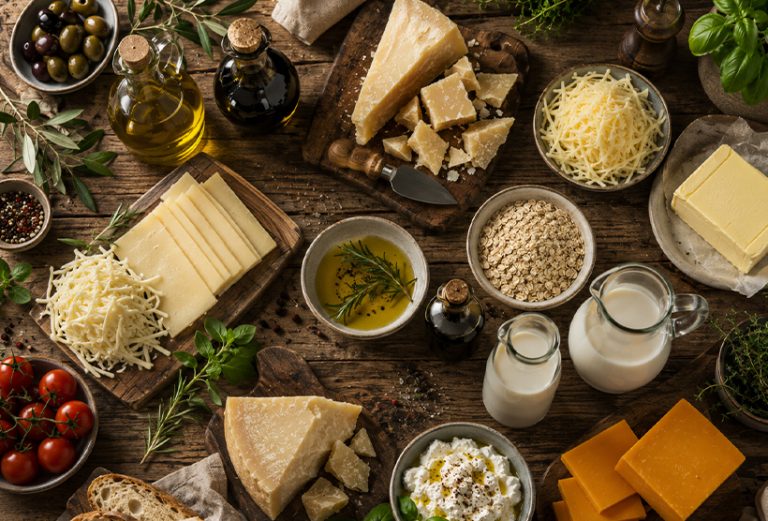

In an industry as rich with tradition, culture, and personal connection as food, facts alone don’t make people fall in love with a brand—stories do. When done well, storytelling breathes life into a product. It transforms “cheese” into “award-winning halloumi crafted in the Cypriot hills” or turns “aerated cream” into “the final flourish of a family dessert shared on a summer’s day.” These stories don’t just sound better—they feel better. And that emotional connection is where loyalty begins.
Why Storytelling Matters in Food Branding
Food is inherently emotional. It evokes memory, identity, and belonging. When brands tap into those layers through well-told stories, they move from being just another name on a shelf to becoming part of a customer’s lifestyle or family ritual.
A compelling food brand story creates:
- Connection: Shared values and origins make customers feel aligned with your product.
- Trust: A well-constructed narrative signals transparency and authenticity.
- Differentiation: In a saturated market, your story becomes your signature.
- Recall: People may forget your product specs—but they’ll remember a good story.
Crafting a Great Food Brand Story: Tips That Work
1. Begin with the ‘Why’
Why does your brand exist beyond making a profit? Is it rooted in a family tradition, a regional recipe, or a mission to make eating better, easier, or more sustainable? Let that ‘why’ be your North Star.
2. Focus on People, Not Products
Rather than leading with ingredients or processes, lead with the people behind them—whether it’s the makers, the farmers, or the families who love your food. Human stories make brands relatable and memorable.
3. Use Sensory Language
Food is experienced through taste, smell, texture, and emotion. Descriptive language like “velvety,” “charred,” or “tangy” helps paint a picture that stimulates the reader’s senses—and appetite.
4. Keep It Honest and Simple
Don’t oversell or overcomplicate. Authenticity is more powerful than polish. Consumers are savvy—they can spot when a story is performative rather than genuine.
5. Let Your Visuals Tell a Story Too
Photos, packaging, and even typography can extend your narrative. A well-styled image can say “artisan” or “modern convenience” without a single word.
At SFG, Storytelling Is in Our DNA
At Staple Food Group, we know that good food deserves great stories. It’s why we’re continually investing in brand storytelling—from our promotional content to our product naming and photography. Take our in-house brand Cuisine, for example. It’s not just a label—it’s a growing family of thoughtfully sourced, customer-trusted products. As the market evolves, so will Cuisine, and we’re excited about what’s to come.
Without revealing too much, let’s just say: watch this space.
Need help with branding? Let’s brainstorm together.
Get in touch with the SFG team to explore how we can support you in telling your food story—beautifully, boldly, and authentically.