Innovation has long been seen as one of the driving forces behind foodservice. New flavours, bold concepts and eye-catching menu launches have helped businesses attract customers and stay relevant in a competitive market.
But in 2026, innovation is starting to look a little different.
Rather than chasing every emerging trend, many operators are becoming more selective. The focus is shifting away from completely reinventing menus and towards introducing ideas that feel exciting without adding unnecessary risk.
In other words, safe innovation is on the rise.
That doesn’t mean customers have stopped looking for new experiences. They still want menus to feel fresh and relevant. The difference is that they’re increasingly drawn to dishes that build on something they already know and enjoy.
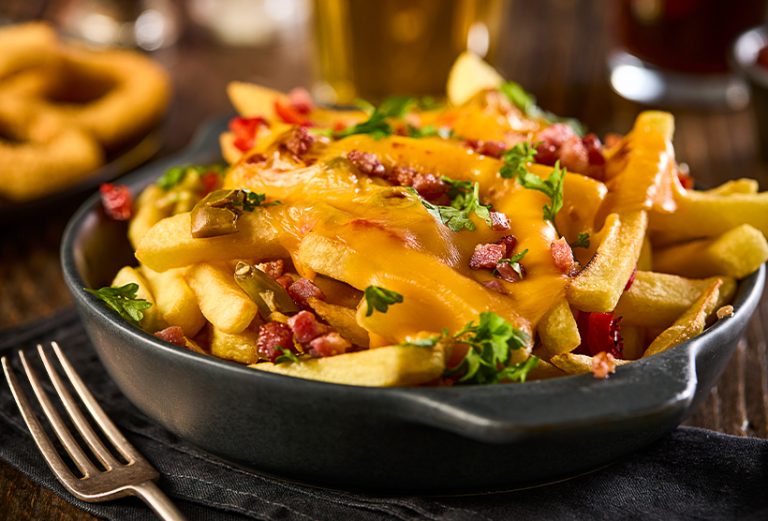
Think about some of the most popular menu additions of recent years. Hot honey, loaded fries, whipped drinks, premium burgers and globally inspired sauces all introduced something new, but they did so using familiar foundations.
The concepts felt approachable rather than intimidating.
For operators, this approach offers clear advantages.
Adding a new topping, flavour or ingredient is often easier than launching an entirely new menu category. It allows kitchens to respond to trends without introducing unnecessary complexity, increasing waste or creating additional training requirements.
Customers benefit too.
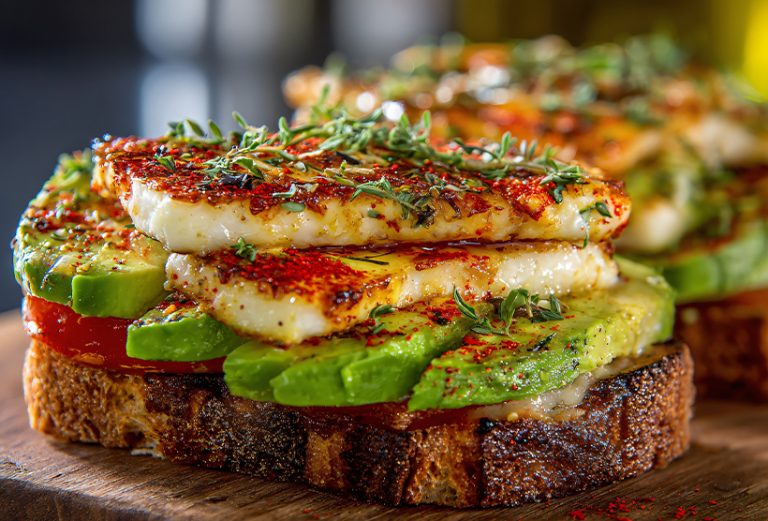
Ordering a “Hot Honey Halloumi Burger” feels far less risky than choosing a dish with an unfamiliar name or ingredients they don’t recognise. There is enough novelty to spark curiosity, but enough familiarity to create confidence.
This balance between innovation and reassurance is becoming increasingly valuable.
It also reflects the wider pressures facing hospitality. Rising costs, tighter margins and labour challenges mean operators have less room for expensive experiments that may not succeed.
Instead, they are looking for ideas that deliver maximum impact with minimal disruption.
That might mean refreshing a classic dessert with seasonal flavours, introducing globally inspired sauces to existing dishes or using versatile ingredients in new applications rather than expanding ingredient lists.
Innovation is becoming more practical.
Perhaps that’s why some of the most successful menus today don’t feel revolutionary at all. They feel familiar, but just different enough to encourage customers to order.
As foodservice continues to evolve, the businesses that succeed may not be the ones taking the biggest risks.
They may simply be the ones making the smartest ones.