Food has always been visual.
Long before social media existed, presentation influenced how customers perceived quality, value and flavour. People eat with their eyes first, as the saying goes.
In 2026, however, visual appeal is doing more work than ever.
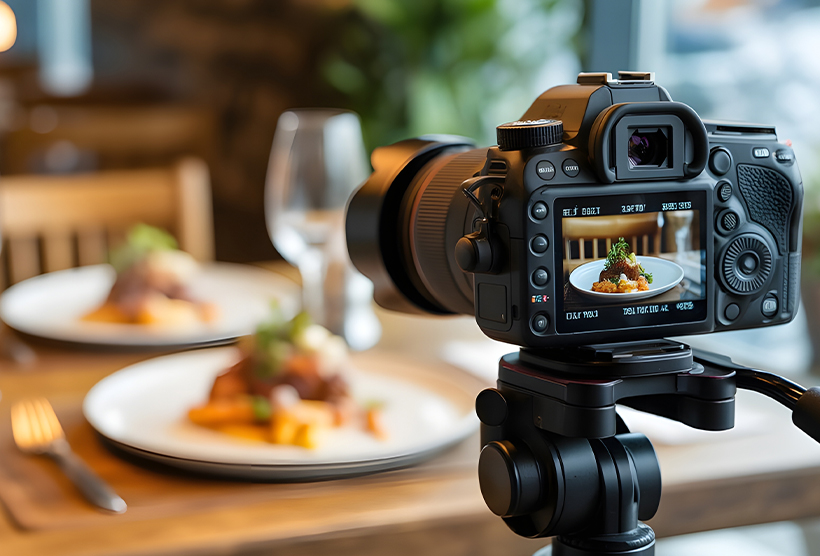
Before a customer visits a restaurant, orders a takeaway or tries a new product, there is a good chance they will encounter it on a screen. Whether through Instagram, TikTok, Google reviews, delivery apps or user generated content, many food decisions now begin digitally.
That shift is changing expectations.
Customers are increasingly influenced by dishes that look appealing in photographs and videos. Texture, colour, contrast and presentation all play a role in whether something captures attention as people scroll.
Importantly, this is not simply about creating food that looks extravagant. In many cases, the most successful dishes are those that communicate indulgence, freshness or satisfaction immediately.
A loaded burger. Crispy halloumi fries. A dessert topped with whipped cream. A vibrant brunch plate.
Customers can often understand exactly what the experience will feel like within seconds of seeing an image.
This has significant implications for operators.
Visual appeal is no longer solely the responsibility of marketing teams. It increasingly influences menu development itself. Dishes that photograph well are often easier to promote, easier for customers to share and more likely to generate engagement online.
That does not mean substance becomes less important. A beautiful dish still needs to deliver on flavour and experience. However, visual appeal has become part of the commercial equation.
The most successful operators are increasingly thinking about both.
How does this dish taste?
And how does it look when someone shares it online?
As digital discovery continues shaping customer behaviour, foodservice businesses are finding that presentation is no longer simply the finishing touch.
It is part of the product itself.