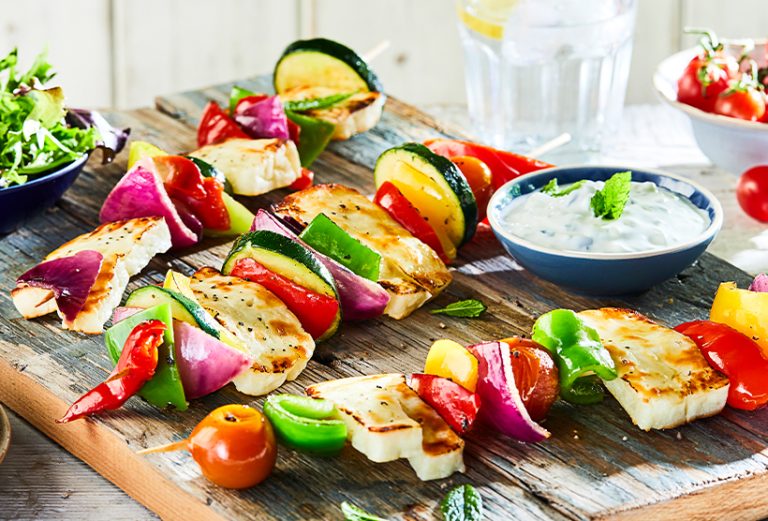
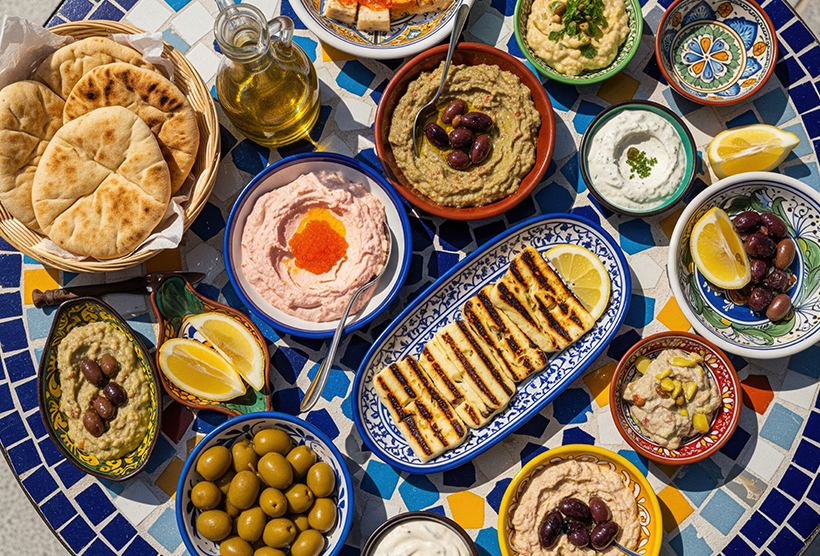
Cast your mind back a few years and the idea of a grazing board was largely reserved for special occasions. Today, it’s become a familiar sight across cafés, pubs, restaurants and hotels, with sharing platters, mezze boards and small plates firmly established on menus.
Far from being a passing trend, grazing has evolved into a different way of eating.
It’s no longer just about putting together an attractive board of cheeses and charcuterie. It’s about flexibility. Customers are increasingly looking for relaxed dining experiences where they can share dishes, try a variety of flavours and eat at their own pace.
That shift is creating new opportunities for foodservice operators.
Sharing-style menus naturally encourage variety without requiring customers to commit to a single dish. A table ordering several smaller plates often experiences more of the menu than if each person chose just one main course, creating opportunities for operators to showcase a broader range of ingredients and flavours.
The appeal extends well beyond restaurants.
Hotels are embracing all-day grazing menus, pubs are expanding their sharing options and cafés are introducing lighter plates that suit everything from working lunches to afternoon catch-ups.
Much of this growth has been driven by Mediterranean-inspired dining.
Ingredients such as feta, halloumi, olives, hummus and artisan breads lend themselves perfectly to grazing. They’re familiar, versatile and easy to combine into dishes that feel generous without becoming overly complicated to prepare.
Perhaps that’s why Mediterranean flavours continue to influence menus across the UK. They naturally encourage sharing, fresh ingredients and relaxed dining experiences, all of which continue to resonate with today’s customers.
The success of grazing also reflects changing lifestyles.
Not every meal needs to follow the traditional starter, main and dessert format. Many customers now prefer to build their own experience, mixing lighter bites with more substantial dishes depending on the occasion.
For operators, that flexibility can be equally valuable.
Many ingredients used on grazing boards work across multiple menu items, helping kitchens make better use of stock while keeping menus interesting. A cheese featured on a sharing platter might also appear in salads, burgers or seasonal specials, giving ingredients multiple roles throughout the menu.
Like many food trends, grazing has matured.
It has moved beyond being something novel or social media-driven to become a genuine part of modern dining.
For foodservice businesses, that makes it less of a trend to chase and more of an opportunity to embrace.
Because sometimes the simplest way to bring people together is to put great food in the middle of the table.