Eating out has always been a social experience. But increasingly, the food itself is becoming part of that interaction.
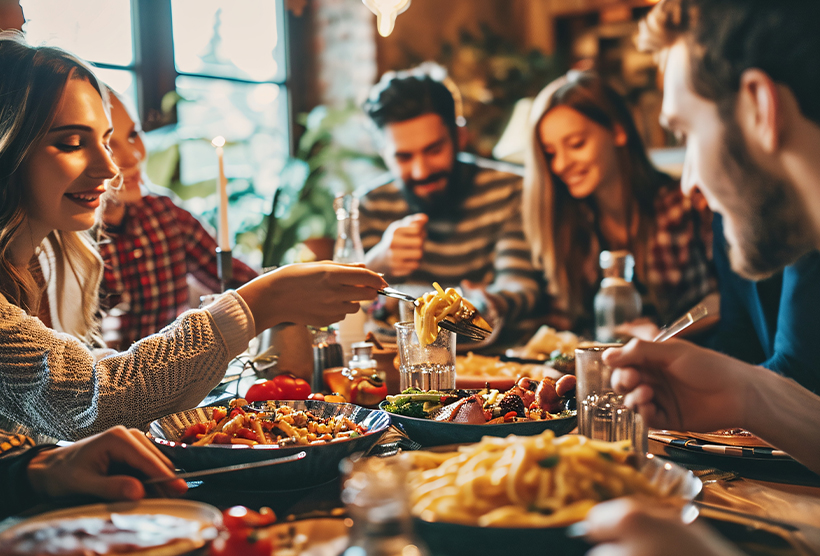
Rather than everyone ordering a starter and main of their own, sharing plates put food in the middle of the table. Dishes arrive at different times, everyone tries a little of everything and the meal becomes something the whole table experiences together.
It’s a style of dining that has become increasingly familiar across UK foodservice, from Mediterranean and Middle Eastern restaurants to pubs, casual dining and even more traditional menus.
And its appeal goes much further than simply serving smaller portions.
Food designed to be shared
There’s something inherently sociable about putting food in the middle of a table.
Passing dishes around, deciding what to order together and trying something from somebody else’s plate all create interaction that doesn’t happen in quite the same way when everyone has an individual meal in front of them.
For customers, that can make eating out feel more like an occasion.
It also changes the relationship people have with the menu. Instead of choosing one dish, diners can experience several different flavours, ingredients and styles of cooking during the same meal.
That sense of discovery is a big part of the appeal.
Trying something new feels easier
Sharing can also make customers more adventurous.
Ordering an unfamiliar dish as your entire main course carries a certain amount of risk. Adding it to a table alongside several familiar favourites feels considerably easier.
That gives operators an interesting opportunity.
More unusual flavours, seasonal specials or ingredients customers haven’t tried before can sit alongside recognisable dishes, allowing diners to explore without committing their whole meal to something new.
It’s one of the reasons cuisines built around communal eating translate so naturally into modern foodservice. Mezze, tapas, antipasti and other sharing traditions combine familiar favourites with opportunities for discovery.
And as customers become increasingly comfortable with global flavours, the possibilities continue to expand.
Sharing changes the way customers order
A sharing menu also encourages a different kind of decision-making.
Instead of asking “What am I having?”, the conversation becomes “What shall we get?”
That might mean a mixture of hot and cold dishes, something indulgent alongside something fresh, or a familiar favourite balanced by a dish nobody at the table has tried before.
It allows customers to create their own meal rather than follow a fixed structure.
For operators, that can create opportunities across the menu. Side dishes become more important. Starters can become part of the main event. Ingredients can appear in different combinations depending on the occasion.
The traditional boundaries between different parts of the menu start to soften.
It’s not just about dinner
Sharing food also works across a surprisingly broad range of occasions.
Brunch tables can combine breads, eggs, cheeses and sides. Pub customers might order several dishes alongside drinks. Hotels can build relaxed sharing menus for groups, while catered events naturally lend themselves to food designed to be passed around and enjoyed together.
Even desserts can become communal.
A selection of smaller puddings or one indulgent dessert designed for the table can extend the sharing experience right through to the end of the meal.
That’s what makes the format interesting: it isn’t tied to one cuisine, one daypart or even one style of operator.
It’s an approach to eating rather than a particular type of food.
Ingredients need to earn attention
When customers are ordering several dishes rather than one large plate, each one needs a reason to be there.
Strong flavours and contrasting textures become particularly valuable.
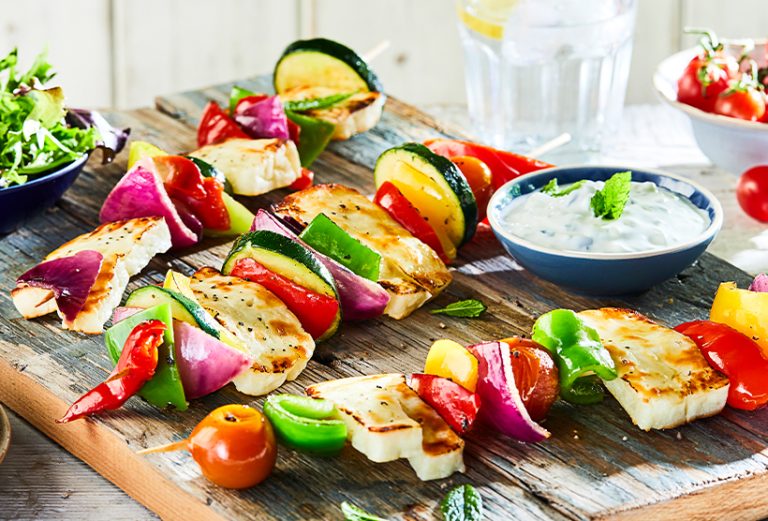
Salty feta against sweet roasted vegetables. Grilled halloumi with something sharp or spicy. Good bread with olive oil. Melting cheese alongside crisp potatoes. Creamy dips against fresh vegetables.
Individual ingredients can become the focal point of a dish rather than disappearing into a larger meal.
That creates opportunities for operators to take relatively simple ingredients and give them a much more prominent role.
Sharing food doesn’t necessarily need to be elaborate.
It needs to be tempting enough that somebody points at the menu and says, “Let’s get that too.”
A different kind of value
Sharing can also change how customers perceive value.
Value isn’t always about getting the largest portion for the lowest price. When people eat out socially, the experience itself matters.
Being able to order several dishes, taste more of the menu and build a meal around the table can feel generous and enjoyable in a completely different way from ordering one large plate.
That makes presentation important too.
Food arriving at the centre of the table creates a moment. Colour, abundance and variety all become part of the experience before anyone has taken a bite.
It’s also particularly suited to a world where customers regularly photograph and share their food — although the appeal of the format goes much deeper than how it looks on camera.
Bringing people around the table
Foodservice trends will continue to change, but the fundamental appeal of sharing food is hardly new.
People have eaten communally for centuries.
What’s changing is how widely that behaviour is being reflected on modern menus.
Sharing plates give customers choice without making the experience individual. They encourage discovery without demanding it. And they turn ordering into part of the occasion rather than simply something that happens before the meal begins.
For operators, that creates plenty of room for creativity.
Because sometimes the most memorable dish isn’t the one somebody ordered for themselves.
It’s the one everybody reached for.