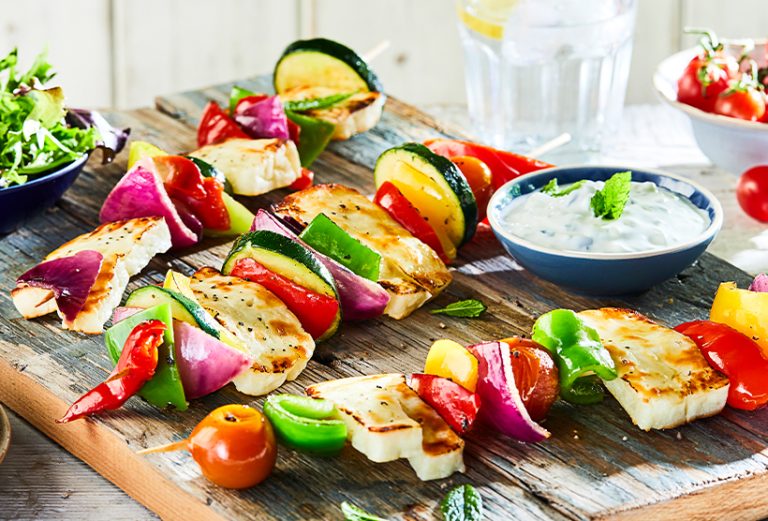

Not every meal needs to be a special occasion to feel special.
One of the more interesting shifts in foodservice is the way familiar, everyday dishes are being given small upgrades. Rather than replacing recognisable favourites with elaborate alternatives, operators are finding ways to make the food people already enjoy feel just a little more considered.
A better cheese on a burger. Good butter served with warm bread. A drizzle of quality olive oil over a simple dish. An indulgent topping that transforms an otherwise familiar dessert.
None of these changes reinvent the meal.
That’s precisely the point.
A little luxury goes a long way
With customers continuing to think carefully about where they spend their money, there’s an interesting balance emerging between value and indulgence.
Eating out still needs to feel worthwhile.
That doesn’t necessarily mean customers are looking for the most expensive dish on the menu. Often, it’s the smaller details that create a sense of occasion: an ingredient with more flavour, a generous finish or a familiar dish presented particularly well.
This idea of accessible indulgence allows operators to add perceived value without turning every menu item into a luxury proposition.
A cheeseburger is still a cheeseburger. But the choice of cheese, bun, sauce and accompaniments can move it from something functional to something customers actively look forward to ordering.
The same principle can be seen across menus, from breakfast and brunch through to desserts and hot drinks.
Familiar food provides the perfect starting point
The beauty of elevated everyday food is that customers already understand it.
There’s no need to explain what the dish is or persuade someone to try an unfamiliar concept. Instead, the appeal comes from taking something recognisable and making it better.
That could mean adding feta to roasted vegetables, finishing a flatbread with extra virgin olive oil or turning a straightforward hot chocolate into an indulgent treat with whipped cream and toppings.
The basic idea remains familiar while the experience feels more premium.
It’s an approach that sits comfortably alongside the continued popularity of comfort food and nostalgic dishes. Customers don’t always need novelty to be excited by a menu. Sometimes a really good version of something they already love has considerably more appeal.
Premium doesn’t have to mean complicated
For operators, there’s another advantage.
Elevating a dish doesn’t necessarily require adding layers of preparation or completely new menu concepts.
Sometimes one ingredient can do much of the work.
Choosing a cheese with the right flavour and melt, a good quality butter or an olive oil that brings something noticeable to the finished dish can create a clear point of difference without fundamentally changing how the kitchen operates.
Presentation matters too. Thoughtful garnishes, generous portions and attention to finishing touches can change the way even very simple food is perceived.
The opportunity isn’t to make everyday food unnecessarily elaborate.
It’s to know which details are worth investing in.
Small upgrades can create new occasions
Elevated everyday food also creates room between the extremes of value dining and special-occasion hospitality.
A weekday lunch can still feel like a treat. Coffee and cake can become an indulgent afternoon occasion. A burger and fries can feel premium enough to justify eating out rather than recreating it at home.
That middle ground is important.
Customers may be selective about spending, but the desire for enjoyable experiences hasn’t disappeared. Foodservice can offer relatively affordable moments of indulgence without asking customers to commit to a large occasion or an expensive meal.
For operators, that creates opportunities throughout the day rather than only at traditional dining times.
Making the everyday worth going out for
Ultimately, elevated everyday food isn’t about adding the word “premium” to a menu.
It’s about recognising that seemingly small details can have a disproportionate impact on how a dish feels.
The ingredients still need to work. The price still needs to make sense. And the finished dish still needs to deliver what the customer expected.
But when those elements come together, familiar food can become something much more memorable.
As customers continue to look for value while still wanting reasons to treat themselves, that balance could become increasingly important.
The opportunity isn’t necessarily to create something they’ve never eaten before.
Sometimes it’s simply to make something they already love feel worth going out for.