If there’s one thing 2026 has taught us about British eating habits, it’s that consumers are becoming increasingly difficult to put into neat categories.
We want healthier food, but we’re not giving up indulgence. We’re embracing flavours from around the world while rediscovering dishes we grew up with. We’re more conscious of what we spend, yet still willing to pay for something that feels special.
At first glance, these trends might seem contradictory.
But look a little closer and they reveal something interesting about the modern British consumer.
We don’t necessarily want to choose between health and pleasure, familiarity and discovery, or quality and value. Increasingly, we expect food to deliver more than one of these things at once.
Throughout 2026, we’ve explored the ingredients, eating habits and wider cultural shifts influencing foodservice. As the year draws towards its close, what can we learn from the trends that have shaped our plates?
Protein became part of everyday food culture
Few food trends have been as visible this year as protein.
Once closely associated with sports nutrition and fitness, protein has become part of the mainstream conversation around food.
From high-protein yoghurts and snacks to everyday ingredients such as eggs, cheese, pulses and tofu, consumers are increasingly aware of where protein fits into their diets.
But perhaps the most interesting development isn’t simply the proliferation of products carrying protein claims.
It’s the growing recognition that plenty of familiar foods naturally contain it.
As interest in ingredient lists and food processing continues, some consumers are reconsidering foods they already know, rather than looking exclusively for specially formulated alternatives.
This doesn’t mean the popularity of convenient protein products is disappearing. It suggests that the protein conversation has broadened.
For foodservice, the lesson is that nutritional relevance doesn’t always require a completely new product. Sometimes it begins with helping customers recognise the qualities of familiar ingredients.
We explored this shift in Why Protein Has Moved Beyond the Gym, following our earlier look at Why Protein Is Still Reshaping Menus.
Healthy eating became less about what we leave out
Protein is part of a wider change in the language of healthy eating.
For years, healthier choices were often presented in terms of restriction: less fat, fewer calories, reduced sugar.
Those considerations haven’t disappeared, but they’re increasingly sharing space with a more positive approach to nutrition.
Protein, fibre, fruit, vegetables, wholefoods and recognisable ingredients have become prominent parts of the conversation.
Rather than focusing exclusively on what a meal doesn’t contain, customers may also be considering what it provides.
Concerns about processing have added another dimension. The Food Standards Agency’s September 2026 consumer tracking found that 77% of respondents were concerned about ultra-processed food, although concern doesn’t necessarily translate directly into purchasing behaviour.
For operators, the opportunity is to make nutritious, satisfying food appealing in its own right, rather than treating healthier choices as a compromise.
Because one of the clearest lessons from 2026 is that customers still expect food to taste good, whatever their nutritional priorities.
We became more adventurous without abandoning the familiar
British menus have changed enormously over the past decade.
Ingredients that once needed an introduction have become everyday favourites. Halloumi, hummus, harissa, miso and gochujang are increasingly familiar to customers who might not have encountered them regularly a generation ago.
And that familiarity is changing the way global flavours appear on menus.
They no longer have to be presented as something entirely separate from mainstream British eating.
A familiar burger can feature halloumi. A traditional roast vegetable dish can be finished with harissa. A well-known sauce can gain a new dimension from miso.
These combinations reflect a food culture in which the boundaries between familiar dishes and international influences have become much less rigid.
But authenticity still matters. As ingredients travel between cuisines and cooking styles, their origins and distinctive qualities remain part of their appeal.
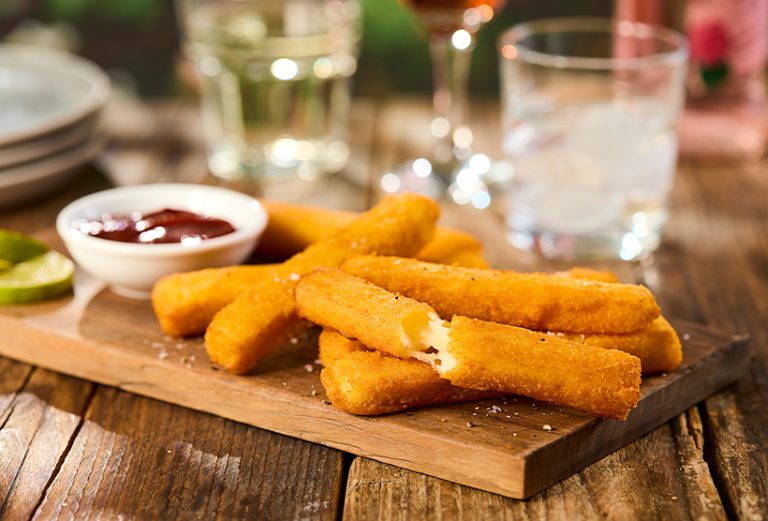
The success of halloumi is a particularly good example. A Cypriot cheese has become an established feature of British pub menus, cafés and casual dining without losing the characteristics that made it distinctive.
Read more: How Halloumi Became a British Menu Staple
The lesson isn’t simply that Britain wants more global flavours.
It’s that our definition of familiar food keeps expanding.
Nostalgia proved that looking backwards can move food forwards
While our tastes have become more adventurous, 2026 has also demonstrated the continuing appeal of food that reminds us of the past.
Retro desserts, familiar comfort foods and revived classics have found fresh relevance in contemporary food culture.
Black Forest gâteau, profiteroles, fondue and other nostalgic favourites can return in different formats, with updated presentation and ingredients.
And nostalgia isn’t necessarily about recreating a particular decade exactly as it was.
Different generations have different food memories. What feels nostalgic to one customer might be an entirely new discovery to another.
That creates an interesting opportunity for foodservice.
Familiar flavours can provide reassurance, while contemporary presentation and unexpected combinations give customers something new to enjoy.
Nostalgia and innovation don’t have to compete.
In fact, some of the most appealing new ideas begin with something customers already recognise.
Read more: How Nostalgia Keeps Reinventing Itself
Value became about more than price
If there’s one consideration running through almost every foodservice discussion this year, it’s value.
Customers remain conscious of household budgets and the cost of eating out. But that doesn’t mean the cheapest option will always win.
The Food Standards Agency reported that 91% of respondents were concerned about food prices in September 2026, while foodservice research from AHDB highlighted how financial pressure is making diners more selective about when they eat out.
What customers consider worth paying for can depend on the occasion.
Sometimes it’s a generous portion of something comforting. Sometimes it’s better-quality ingredients, a memorable experience or the pleasure of trying something they wouldn’t prepare at home.
A familiar dish can feel worth its price when it’s particularly well made. A more expensive experience can feel justified when it delivers something genuinely distinctive.
For operators, value isn’t simply a question of reducing prices or increasing portions.
It’s about understanding what makes customers feel their money has been well spent.
And that can look very different from one eating occasion to another.
Indulgence never really went away
One of the more interesting tensions of 2026 has been the relationship between healthier eating and indulgence.
On one hand, consumers are increasingly aware of nutrition, protein and ingredient quality.
On the other, rich desserts, buttery pastries, melted cheese and comforting favourites remain enormously appealing.
Research published by Mintel in 2026 found that 52% of UK out-of-home pizza and pasta consumers considered indulgence more important than health when eating those particular dishes outside the home. It’s a useful reminder that priorities can change with the occasion. Mintel Store
A customer might choose a protein-rich breakfast, a lighter lunch and an indulgent dessert later in the week.
There’s no contradiction in that.
Food fulfils different needs at different times, and pleasure remains one of them.
Perhaps the opportunity for foodservice isn’t to choose between healthier eating and indulgence, but to recognise that both have a place.
When customers want something nutritious, it should still be enjoyable.
And when they choose to indulge, the experience should feel worthwhile.
Food remained one of the ways we connect
For all the attention paid to ingredients and individual food choices, 2026 also reminded us that eating is a social experience.
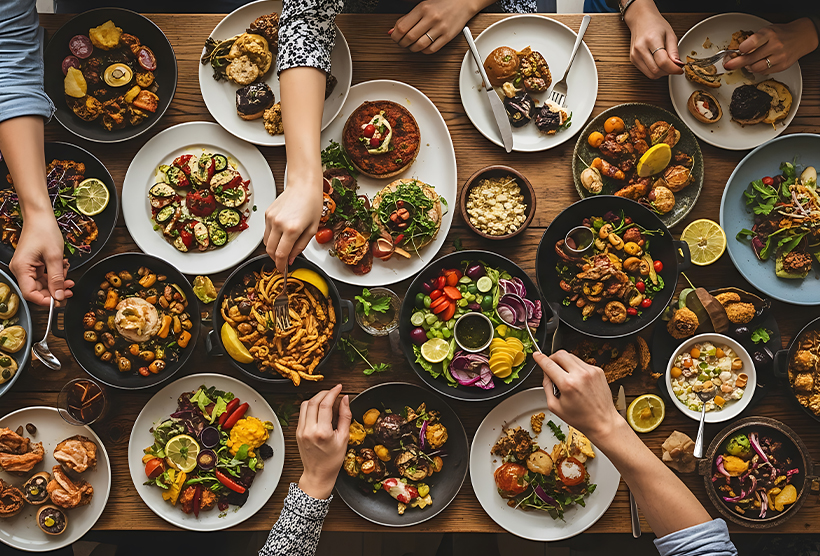
Sharing plates, communal dining, informal gatherings and food designed to bring people together have continued to influence the way menus are developed.
But the appeal goes beyond the format of the dishes.
Food gives people a reason to spend time together.
An evening built around several dishes for the table, a relaxed brunch or a festive cheeseboard can become as much about the occasion as the food itself.
OpenTable’s 2026 UK dining research also highlighted the importance of atmosphere and memorable experiences, with 45% of surveyed Britons saying they would pay a premium for a one-of-a-kind dining experience. OpenTable
That reinforces an important point for hospitality.
Customers aren’t always paying simply to be fed.
They’re paying for the experience of eating somewhere, with someone, in a way that feels worth leaving home for.
So what did 2026 really teach us?
Look at these trends individually and they tell different stories.
Protein reflects growing nutritional awareness. Global flavours show how British tastes are evolving. Nostalgia reveals the emotional pull of familiar food. Indulgence reminds us that eating is about pleasure as well as nourishment.
But together, they point towards something bigger.
The modern consumer doesn’t have one fixed set of food priorities.
The same person can be health-conscious and indulgent, adventurous and nostalgic, budget-aware and willing to spend more on a special occasion.
Their choices depend on where they are, who they’re with, what they can afford and what they want from that particular moment.
For foodservice operators, that makes understanding the customer more important than simply following the latest trend.
Not every trend belongs on every menu. And not every new idea needs to replace something that already works.
The real opportunity lies in recognising which changes matter to your customers, and how familiar ingredients, trusted favourites and thoughtful innovation can respond to them.
As we look towards 2027, the question may not be which single food trend will dominate.
It may be how foodservice continues to respond to customers who increasingly want different things from different eating occasions.
Because if 2026 taught us anything, it’s that the future of food isn’t necessarily about choosing one direction. It’s about understanding why people choose differently.