Every year, the food industry produces a new set of trends.
They are shared, analysed, forecasted and debated. Some feel directional. Others feel fleeting. But a small number do something more significant.
They stop being trends altogether.
They become the baseline.
In recent years, the pace at which this shift happens has accelerated. What begins as a point of difference, a way to stand out on a menu or attract attention, can quickly become an expectation. And once that happens, it no longer adds value in the way it once did. It simply becomes part of the standard.
For operators, this creates a subtle but important challenge.
Because while trends are often discussed in terms of innovation and opportunity, their long-term impact is operational.
From differentiation to expectation
A trend, at its most useful, offers a way to differentiate. It gives operators something new to talk about, to build around, or to trial.
But the moment that same idea becomes widely adopted, its role changes.
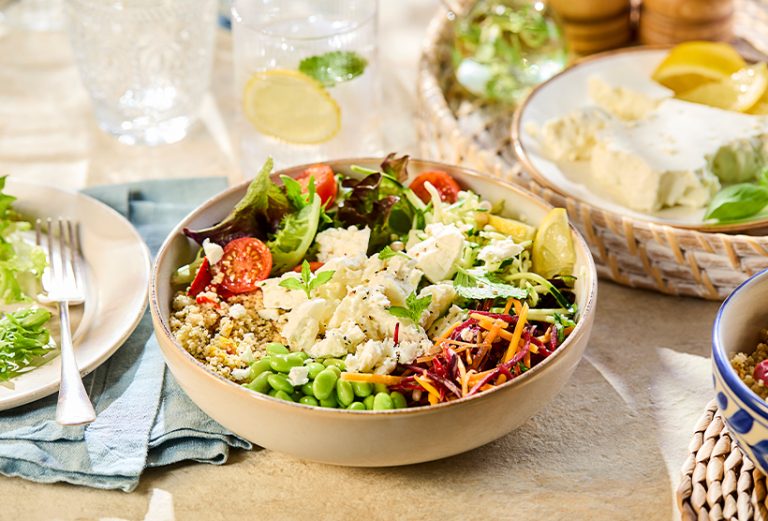
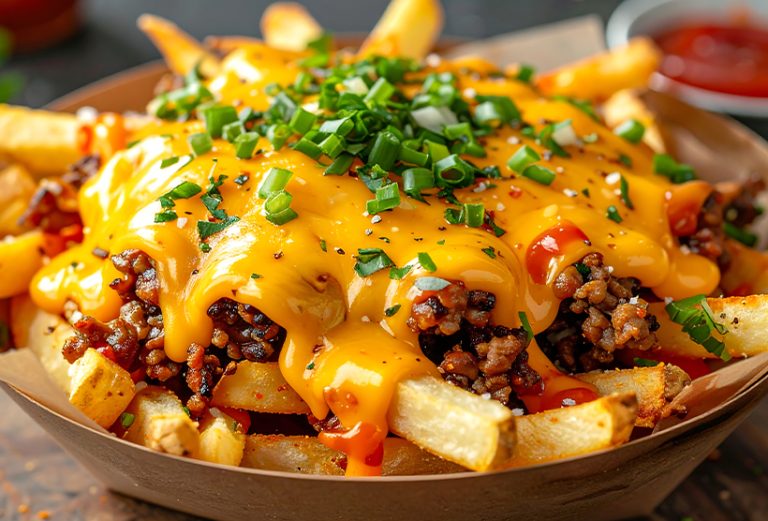
Plant-based options are now expected on most menus. Premiumisation in everyday items has become normalised. Global flavour profiles that once felt niche are now widely recognised and requested.
In each case, what was once a point of difference has become a point of entry.
And that shift is easy to underestimate.
The operational reality behind trends
When a trend becomes the baseline, it doesn’t just affect what appears on a menu. It affects how that menu is delivered, consistently and at scale.
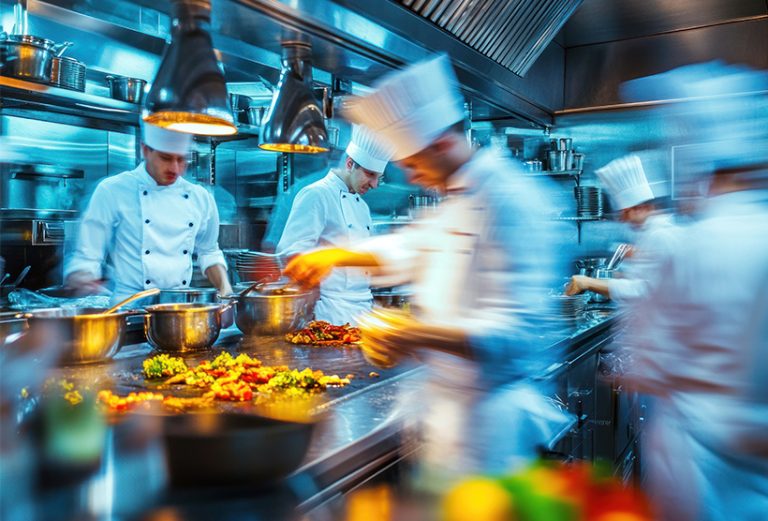
It introduces new ingredients, new formats, and often new complexity. It can require additional training, tighter processes, and more reliance on products that perform reliably under pressure.
In other words, what starts as a creative decision quickly becomes an operational one.
This is where many trends quietly lose their impact.
Not because they weren’t relevant, but because they weren’t sustainable in practice.
The cost of standing still
There is also a commercial dimension to this shift.
When a trend becomes the baseline, not adopting it is no longer neutral. It becomes a risk.
Menus that don’t reflect evolving expectations can feel outdated. Offers that once felt sufficient may begin to fall short.
But at the same time, continuously chasing what’s new without considering long-term viability creates its own pressures.
Operators are left navigating a space where they must evolve, but do so carefully.
Building for what lasts
The most effective operators are not those who chase every new idea, but those who recognise when something has crossed the line into expectation.
They build menus and systems around what will last, not just what will attract attention in the short term.
That means selecting products and formats that can support consistency, simplify execution, and reduce friction in the kitchen, even as expectations continue to rise.
Because once something becomes the baseline, it needs to work every time.
A quieter shift, but a lasting one
Trends will always have a place in foodservice. They signal change. They create movement. They offer opportunities to evolve.
But the more important shift often happens afterwards, when those ideas settle into everyday use.
When they stop being talked about as trends, and start being expected as standard.
That is where their real impact is felt.
As expectations evolve, the focus moves from novelty to delivery.
Our range is designed to support that shift, helping operators maintain consistency, adapt to changing demand, and reduce operational pressure in the kitchen.