
Protein has been one of the loudest food trends of recent years.
Walk through a supermarket and it’s difficult to miss. High-protein yoghurts, snacks, cereals, ready meals and drinks have moved well beyond the sports nutrition aisle and into everyday food.
That shift is increasingly visible in foodservice too.
But what’s interesting isn’t simply the number of products carrying a high-protein claim. It’s the way protein has become part of how people think about what makes a meal satisfying, balanced and worth choosing.
Protein has gone mainstream
The language around protein has changed.
It was once strongly associated with athletes, bodybuilding and specialist nutrition. Today, its appeal is much broader. Customers may be looking for food that keeps them fuller for longer, supports an active lifestyle or simply feels like a more substantial choice.
That means protein is no longer confined to a particular type of customer or eating occasion.
It can influence what someone chooses for breakfast, which salad they order at lunch, what they snack on during the afternoon or which meat-free option catches their attention on a menu.
For operators, that creates opportunities far beyond adding a dedicated “high-protein” section.
It’s changing the way familiar dishes are built
One of the most interesting effects of the trend is how easily protein can be incorporated into food customers already know.
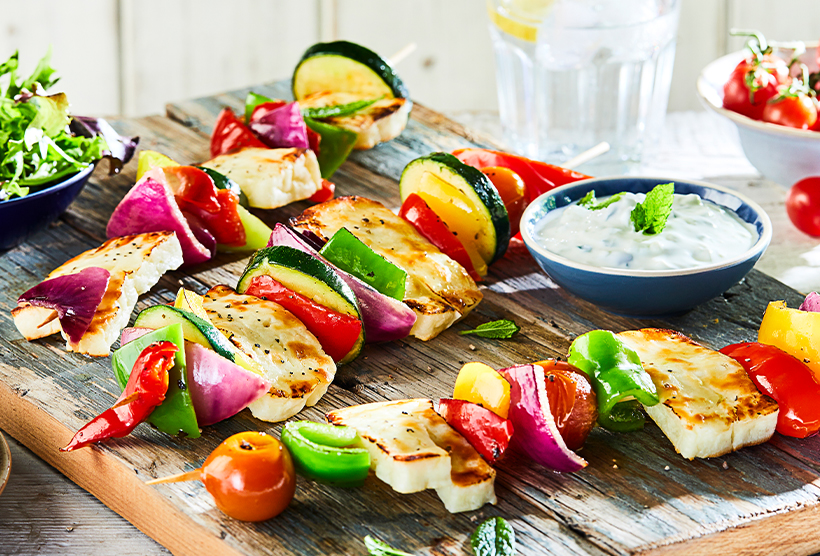
A breakfast topped with cheese or eggs. Halloumi added to a salad. Feta scattered over grains and roasted vegetables. Beans and pulses incorporated into bowls, wraps and sharing dishes.
None of these ideas need to be presented as specialist nutrition.
They’re simply satisfying dishes built around ingredients that naturally contribute protein.
That’s an important distinction.
For many customers, the appeal isn’t necessarily eating the maximum amount of protein possible. It’s choosing food that feels nourishing and substantial without sacrificing flavour or enjoyment.
Meat-free menus have a particular opportunity
The continued focus on protein also creates an interesting challenge for vegetarian and flexitarian dishes.
Removing meat from a dish is relatively easy.
Creating a meat-free option that still feels satisfying can require more thought.
This is where ingredients such as halloumi, feta, cheese, beans, lentils and other pulses can play an important role. They bring texture, flavour and substance as well as contributing protein.
For operators, it means vegetarian menu development doesn’t have to revolve around imitation meat.
There is plenty of opportunity in ingredients customers already recognise and enjoy.
A grilled halloumi burger doesn’t need to pretend to be a beef burger. A Mediterranean grain bowl doesn’t need a meat substitute to feel complete.
Sometimes the ingredient can simply stand on its own merits.
Protein is influencing snacking too
The traditional boundaries between meals and snacks are becoming increasingly blurred.
Customers might eat a later breakfast, grab something substantial in the afternoon or build a meal from several smaller dishes rather than ordering a traditional main course.
Protein fits naturally into this changing pattern.
Cheese portions, yoghurt, hummus, eggs, nuts and other protein-containing foods can make smaller eating occasions feel more substantial, opening opportunities across cafés, grab-and-go, hospitality and workplace catering.
This is particularly relevant as grazing and flexible eating continue to influence how people approach food throughout the day.
But flavour still comes first
There is, however, a danger in treating protein as a number rather than part of the food.
A dish can contain an impressive amount of protein and still fail if customers don’t actually want to eat it.
Foodservice has an advantage here.
Unlike functional nutrition products, restaurants, cafés and hospitality businesses can make protein part of dishes built around flavour, texture and enjoyment.
The nutritional benefit can strengthen the proposition, but it doesn’t have to become the entire proposition.
After all, customers might appreciate knowing that their lunch provides a good source of protein.
They still want a delicious lunch.
From trend to expectation
Protein’s longevity suggests it has moved beyond being another short-lived health trend.
Customers have become more aware of it, manufacturers are developing around it and menus are responding in increasingly natural ways.
The opportunity for foodservice isn’t necessarily to put the word “protein” beside everything.
It’s to recognise how customer expectations are changing and build dishes that deliver the satisfaction, substance and flavour they’re looking for.
Because the next phase of the protein trend may be considerably less obvious than the first.
Less about protein shakes and bold claims.
More about simply making good food that works harder for the people eating it.