
There aren’t many ingredients that can make the journey from speciality product to pub-menu regular quite like halloumi.
Once primarily associated with Cypriot and Mediterranean cooking, halloumi is now everywhere. It’s grilled for salads, stacked into burgers, tucked into wraps, served at brunch, threaded onto skewers and ordered as a sharing side.
For many British diners, it doesn’t feel particularly adventurous anymore.
It just feels like halloumi.
So how did one of Cyprus’s most distinctive cheeses become such a fixture of the British menu?
From speciality cheese to familiar favourite
Halloumi’s Cypriot heritage remains fundamental to its identity, but its role in the UK has expanded enormously.
Its distinctive salty flavour and firm texture gave it something immediately different from the cheeses British consumers were already familiar with. More importantly, cooking transforms it.
Rather than disappearing into a dish when heated, halloumi holds its shape. Grilled or fried, it develops that characteristic golden exterior while remaining soft and satisfyingly chewy inside.
That made it remarkably easy for chefs to take halloumi beyond the cheeseboard.
And once it started moving around the menu, there were plenty of places for it to go.
Halloumi found its way into familiar food
Perhaps one of the biggest reasons for halloumi’s success is that customers haven’t had to completely change the way they eat to embrace it.
Halloumi found its way into formats they already understood.
The burger became a halloumi burger.
The salad got slices of grilled halloumi.
The kebab gained halloumi skewers.
Wraps, flatbreads, breakfast dishes and sharing plates followed.
That’s an important part of how global ingredients become mainstream. They don’t always arrive through entirely unfamiliar dishes. Sometimes they’re introduced through foods customers already know.
Halloumi offered something different without making the whole meal feel unfamiliar.
Then protein entered the conversation
There’s another reason halloumi feels particularly relevant to the way people are eating now.
Protein has become an increasingly visible consideration in everyday food choices.
As we explored recently in Why Protein Is Still Reshaping Menus, the protein conversation has moved far beyond sports nutrition. Customers are encountering protein-led messaging across breakfast, snacking, convenience food and mainstream menus.
That creates an interesting position for cheese.
Halloumi isn’t a newly invented high-protein product designed to capitalise on a trend. It’s an established food that naturally contains protein and was already popular long before protein became such a prominent part of the consumer conversation.
For customers looking beyond meat, that can add another dimension to its appeal.
But importantly, people didn’t fall in love with halloumi because of a nutritional claim.
They fell in love with how it tastes.
A meat-free option that doesn’t feel like an alternative
Halloumi also arrived on British menus at an interesting time for meat-free eating.
As operators expanded their vegetarian choices, there was increasing demand for dishes that could stand confidently alongside the rest of the menu rather than feeling like the obligatory vegetarian option.
Halloumi does that particularly well.
Put a thick piece of grilled halloumi into a burger and it has enough texture, saltiness and substance to hold its own.
Add it to a salad and it becomes a focal point rather than a garnish.
Serve it with chilli, honey, vegetables or grains and it can anchor the entire dish.
That has helped halloumi become something people actively choose — including plenty of customers who aren’t vegetarian.
And that’s a valuable distinction.
It refuses to stay in one part of the menu
Halloumi is also unusually difficult to pigeonhole.
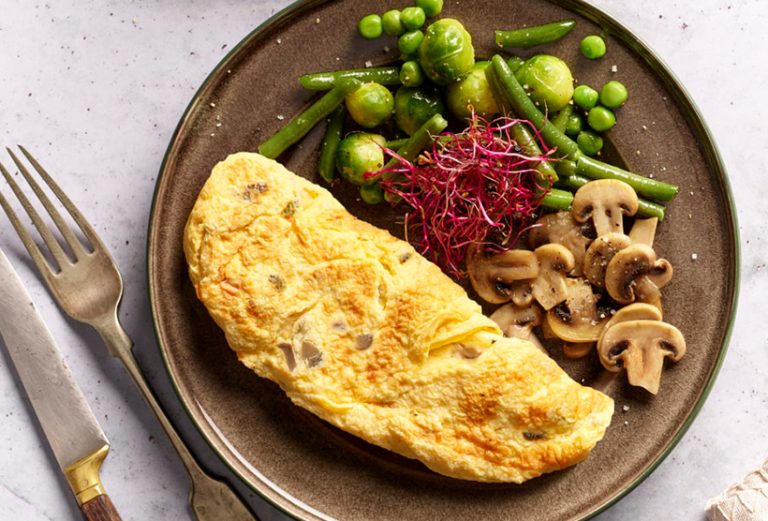
At breakfast, it can sit alongside eggs, avocado or tomatoes.
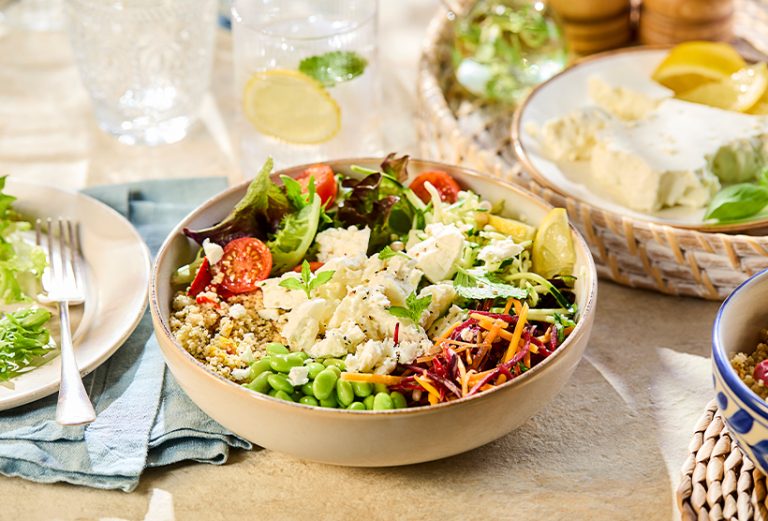
At lunch, it works in sandwiches, wraps, salads and grain bowls.
For dinner, it can be grilled, skewered, added to burgers or served alongside vegetables.
Then there are starters and sharing plates, where fried or grilled halloumi has become an established favourite in its own right.
It moves comfortably between Mediterranean-inspired dishes and completely mainstream British casual dining.
That flexibility has helped halloumi move beyond being a seasonal barbecue ingredient into something operators can use throughout the year.
Familiarity hasn’t made it boring
There’s an interesting point at which a once-unfamiliar ingredient becomes so established that it risks losing some of its novelty.
Halloumi seems to have avoided that.
Part of the reason may be that its flavour and texture are distinctive enough to retain their identity, even when the surrounding dish changes.
It can be paired with chilli and honey for something sweet and spicy. Served with roasted vegetables and grains. Combined with herbs and Mediterranean flavours. Added to a burger with sauces and pickles. Or simply grilled and served with lemon.
The ingredient stays recognisably halloumi.
The context keeps changing.
That gives chefs room to create something new without asking customers to take a risk on an ingredient they’ve never heard of.
A global ingredient that became everyday food
Halloumi’s rise also tells us something bigger about British eating habits.
Our idea of what’s familiar has changed.
Ingredients and flavours from around the world have become embedded in everyday British food culture, to the point where their origins and their place on a mainstream menu can comfortably coexist.
Halloumi hasn’t stopped being Cypriot because Britain embraced it.
Its provenance is part of what makes the cheese distinctive.
But customers no longer necessarily perceive choosing halloumi as choosing “international food”.
They might simply fancy a halloumi burger.
That’s quite a journey for an ingredient to make.
What halloumi’s success can teach us
It’s tempting to look at food trends by searching constantly for the next unfamiliar ingredient.
Halloumi suggests there’s another way to think about it.
The foods that really endure often manage to balance difference with familiarity.
They give customers something distinctive while fitting naturally into the way they already like to eat.
Halloumi has done exactly that.
It crossed cuisines, dayparts and menu formats without losing the qualities that made it interesting in the first place.
And somewhere along the way, a Cypriot speciality became one of Britain’s most recognisable menu favourites.
Not bad for a cheese that refuses to melt.