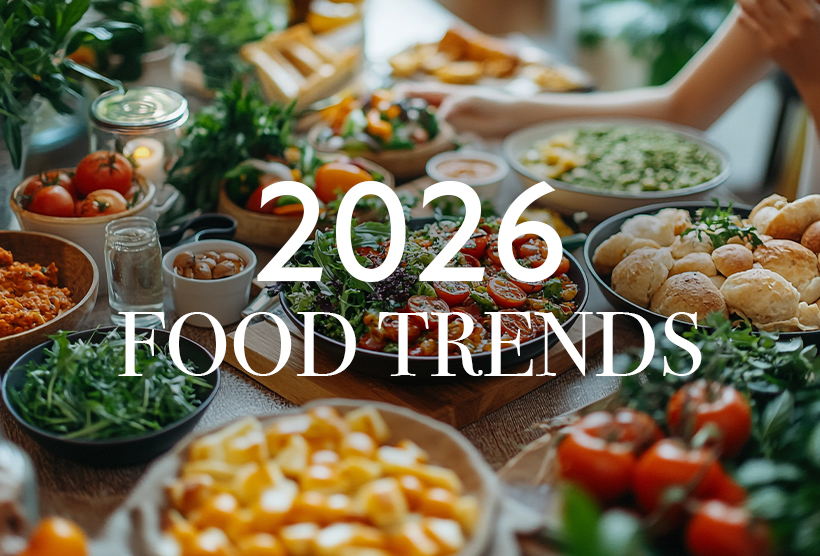
As the UK hospitality and manufacturing sectors prepare for 2026, several long-forming shifts are gathering momentum. Rising production costs, evolving consumer expectations, supply chain recalibration, and a maturing sustainability agenda are all reshaping how the industry will operate over the next two years.
Here are the five major trends set to define the UK food landscape in 2026.
1. The Return of Real Food: Authenticity Over Imitation
After years of ultra-processed substitutes and ‘near enough’ alternatives, consumers are pivoting back to recognisable ingredients and traditional food craftsmanship. This doesn’t mean rejecting convenience, but rather choosing products that feel natural, minimally meddled with, and rooted in heritage.
Expect to see:
• Revival of regional British classics made with better-quality ingredients
• Growth in fermentation, pickling, natural preservation
• Transparent ingredient lists, cleaner processes, and honest sourcing stories
This shift is being led not only by high-end restaurants but QSR, retail, ready meals, and manufacturers who see value in building trust through clarity.
2. Protein Diversification Becomes Mainstream
Plant-based is no longer the headline: diversity is. Consumers want a broader palette of protein sources that feel sustainable, nutritious, and flavourful.
The 2026 protein landscape will include:
• Mixed-protein formats (veg + dairy, veg + egg, legumes + grains)
• “Regenerative meat” from farms emphasising soil health
• British aquaculture and shellfish rising in menu presence
• A shift away from mimicry to plants treated as plants, not imitations
Manufacturers are already investing in infrastructure to support this blended future, balancing cost, nutrition, and versatility.
3. Efficiency-Driven Menus: Designed Around Labour, Not Chefs
The labour shortages of the early 2020s have evolved into structural change. Kitchens are designing menus based on the people they can reliably recruit, not the ideal team they wish they had.
2026 menus will increasingly focus on:
• Three-to-five ingredient builds
• Modular components that assemble quickly
• Reduced prep and fewer technical cooking skills
• Dish consistency across shifts and sites
Manufacturers will continue developing ingredients that integrate seamlessly into this new operational reality, and multi-site operators will refine menus around standardisation and speed.
4. The Rise of ‘Wellbeing Indulgence’
Consumers want to feel good while enjoying food that tastes good. Not “healthy” in the punitive sense, but food that supports mood, energy, focus, or hormonal balance, all without sacrificing pleasure.
Expect rapid growth in:
• Ingredients linked to stress support, gut health, sleep optimisation
• Comfort food with lighter techniques or functional boosts
• Menus designed around satiety and steady energy
• Snacks and drinks offering gentle cognitive or emotional support
This trend sits at the intersection of lifestyle, wellness, and foodservice, and it’s accelerating across cafés, casual dining, and retail.
5. Circular Thinking and Hyper-Local Sourcing
Sustainability is no longer a marketing story, it is now a structural requirement shaped by regulation, cost instability, and consumer scrutiny.
By 2026 we’ll see:
• More operators sourcing hyper-local ingredients to protect margins
• Manufacturers shortening supply chains to ensure continuity
• Circular kitchen models (repurposing, upcycling, on-site composting)
• Waste-minimising formats becoming standard, not optional
This doesn’t mean every business will go ‘full regenerative’, but rather that practical sustainability — waste reduction, smarter inventory, and localisation — becomes the baseline across the sector.
Final Thought
2026 will reward brands and operators who embrace clarity, flexibility, and genuine value. Consumers are moving towards foods that feel real, functional, and purposeful, while operators require menus that are efficient, scalable, and resilient.
The businesses that succeed will be those who innovate with intention, communicate transparently, and build menus that serve both the modern customer and the modern kitchen.